Blog
What is a listed building?
18 min read
Grades I, II* and II, listed building consent, curtilage, surveys, insurance and what buyers and sellers need to check before exchange.
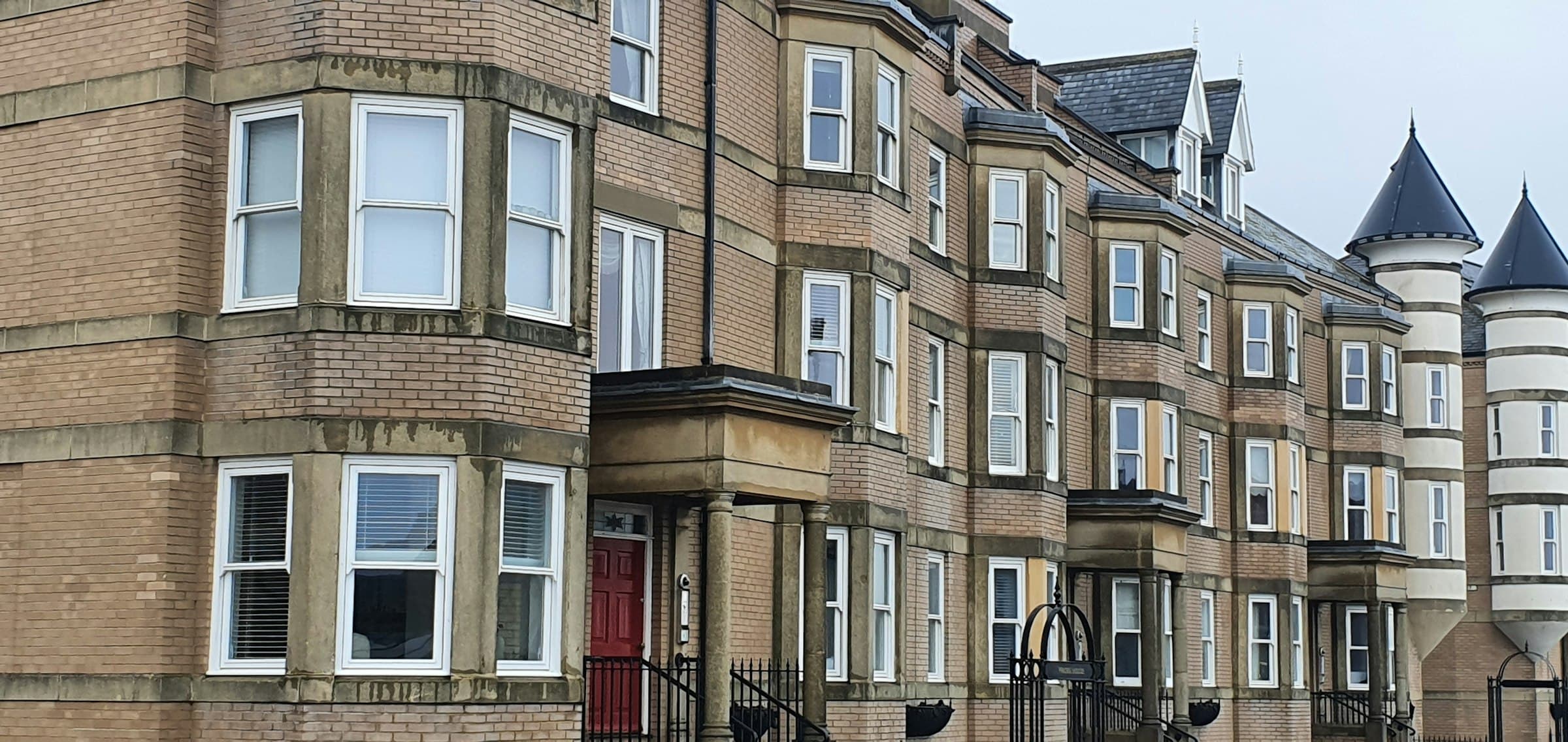
A listed building is a property that has been officially recognised as having special architectural or historic interest.
That does not mean it is frozen in time.
You can still live in it, improve it, repair it and, in some cases, alter it.
But you cannot always treat it like an ordinary home.
Changes that might be straightforward on an unlisted property, such as replacing windows, changing doors, removing internal walls or altering a fireplace, may require listed building consent.
That matters enormously if you are buying, selling or renovating one.
A listed property can be beautiful, distinctive and highly desirable.
It can also come with extra responsibility.
Here is what you need to know.
What does “listed building” mean?
In England, a building is listed when it is placed on the National Heritage List for England because of its architectural or historic importance.
Historic England manages the list on behalf of the government.
A listing is intended to protect the character and significance of important buildings so that inappropriate changes are not made without proper consideration.
The list includes far more than grand stately homes.
Listed buildings can include:
- cottages
- terraced houses
- farmhouses
- barns
- pubs
- schools
- churches
- bridges
- milestones
- industrial buildings
So a property can look relatively ordinary and still be listed.
What are the different grades of listed building?
In England and Wales, listed buildings are usually placed into one of three grades.
Grade I
Buildings of exceptional interest.
These represent a very small proportion of listed buildings.
Grade II*
Particularly important buildings of more than special interest.
Grade II
Buildings of special architectural or historic interest.
The overwhelming majority of listed buildings are Grade II.
For a normal home buyer, Grade II is the classification you are most likely to encounter.
Does Grade II mean I cannot change anything?
No.
This is one of the biggest misconceptions.
Listing does not mean:
“You cannot touch the building.”
It means that changes affecting its special architectural or historic interest may need approval.
The important question is not simply:
Is the work internal or external?
It is:
Could this work affect the character or significance of the listed building?
That can include surprisingly ordinary-looking changes.
What is listed building consent?
Listed building consent is permission from the local planning authority for works that would affect the character of a listed building as a building of special architectural or historic interest.
You may need it for alterations, extensions or demolition.
Depending on the property, this could include work such as:
- removing an internal wall
- replacing historic windows
- changing doors
- altering fireplaces
- removing original plasterwork
- changing staircases
- adding an extension
- modifying historic roof structures
- altering important internal features
The exact position depends on the building and the proposed work.
This is why owners should normally speak to the local authority's conservation or planning team before carrying out significant alterations.
Do listed building controls only apply to the outside?
No.
This is another common misunderstanding.
The listing generally protects the whole building, not just the front elevation.
Historic internal features may be every bit as significant as the exterior.
That might include:
- fireplaces
- staircases
- panelling
- doors
- beams
- plasterwork
- floor structures
- historic room layouts
So the fact that nobody can see an alteration from the road does not automatically mean consent is unnecessary.
Is everything mentioned in the listing description protected?
The listing description is useful, but it is not a complete inventory of everything protected.
A seller should not assume:
“The fireplace isn't mentioned, so it isn't covered.”
The legal protection can extend beyond individual features specifically described in the list entry.
This is one reason specialist advice can be valuable before carrying out work.
Are extensions to listed buildings also protected?
Potentially, yes.
The legal position can depend on when structures were built and how they relate to the principal listed building.
Certain objects or structures within the property's curtilage can also sometimes be treated as part of the listed building for heritage-control purposes.
That can make properties with:
- barns
- outbuildings
- walls
- gates
- historic garden structures
more complicated than they first appear.
Do not assume that because a structure has its own roof and sits away from the main house, listed building considerations cannot apply.
Can I extend a listed building?
Yes, potentially.
Listed buildings are extended and altered all the time.
But the design normally needs to respect the historic building.
A planning authority may consider:
- scale
- position
- materials
- impact on historic fabric
- impact on important views
- relationship between old and new
Sometimes a clearly modern extension can be acceptable.
Sometimes a traditional approach is more appropriate.
The correct design depends heavily on the particular building.
Do I need planning permission as well as listed building consent?
Possibly.
Planning permission and listed building consent are separate legal regimes.
A project might require:
- planning permission
- listed building consent
- building regulations approval
- or some combination of them
Receiving one does not automatically mean you have received the others.
For example, an extension to a listed house may require both planning permission and listed building consent.
What happens if I alter a listed building without permission?
This is where listed buildings become particularly important for buyers and sellers.
Carrying out work requiring listed building consent without obtaining it can be a serious matter.
Unauthorised works may create:
- enforcement problems
- difficulty selling
- problems during conveyancing
- expensive remedial work
- potential criminal liability in some circumstances
This is not something to casually ignore because the work was done several years ago.
If you own a listed building and discover potentially unauthorised alterations, take appropriate professional advice before doing anything further.
Is there a four-year or ten-year rule for unauthorised listed building work?
Do not assume the normal planning enforcement time limits protect unauthorised works to a listed building.
Listed building enforcement operates differently from ordinary planning enforcement.
Something done by a previous owner many years ago can therefore still become relevant when the property is sold.
This is one reason buyers' solicitors take historic alterations seriously.
What if the previous owner made the unauthorised alteration?
That does not automatically make the issue irrelevant to you as the current owner.
The building carries the problem.
Imagine you buy a listed cottage where a previous owner replaced important historic windows without consent.
Years later, the local authority could potentially require the issue to be addressed.
Whether and how enforcement might occur depends on the circumstances, but buyers need to understand the risk.
Your solicitor should investigate alterations and relevant consents before you exchange contracts.
How do I know if my house is listed?
You can search the relevant official heritage register.
For properties in England, that is the National Heritage List for England.
You can normally search using:
- property name
- address
- postcode
- map
Do not rely solely on an estate-agent listing saying:
“Period property.”
A period property is not necessarily listed.
And a listed property may not look obviously historic.
Does being in a conservation area mean my home is listed?
No.
They are different things.
A listed building is individually protected because of its architectural or historic interest.
A conservation area protects the special character or appearance of a wider area.
A property can therefore be:
- listed but not in a conservation area
- in a conservation area but not listed
- both listed and in a conservation area
- neither
Both can affect what alterations are permitted, but the rules are not the same.
What is a locally listed building?
Some councils maintain local heritage lists of buildings they consider important locally.
That is different from being nationally listed.
A locally listed property may be a material consideration in planning decisions, but it does not automatically have the same statutory protection as a nationally listed building.
Buyers should establish exactly which type of designation applies.
What is curtilage listing?
Curtilage listing is one of the more complicated parts of listed-building law.
Certain structures associated with a listed building can potentially receive protection because of their historic relationship with it.
For example, an old barn, wall or outbuilding within the historic curtilage of a listed farmhouse may need careful consideration even if it is not separately named in the listing.
Whether something is curtilage-listed is fact-specific.
If it matters to a proposed purchase or development, obtain specialist heritage or legal advice rather than guessing.
Can I replace windows in a listed building?
Potentially, but this is one of the areas where consent is often important.
Historic windows can be a major part of a building's architectural character.
Replacing original timber sash windows with modern uPVC units, for example, may be unacceptable.
The local authority may instead expect:
- repair
- like-for-like replacement
- traditional materials
- appropriate profiles
Even upgrading glazing can require careful consideration.
Do not order replacement windows for a listed house before checking what approvals are needed.
Can I install double glazing?
Sometimes.
The answer depends heavily on the windows and building.
Possible approaches might include:
- repairing existing windows
- slim-profile double glazing
- secondary glazing
- appropriate replacement units
Energy efficiency is important, but listed-building controls may limit certain interventions where they would damage historic character.
A specialist who understands historic buildings can often find better solutions than simply replacing everything.
Can I install solar panels on a listed building?
Possibly.
But their position, visibility and effect on the building's character will be important.
Solar panels on an unobtrusive modern outbuilding may be very different from panels dominating the principal historic roof.
You may need listed building consent and planning permission depending on the circumstances.
Always check before installing them.
Can I replace the kitchen or bathroom?
Usually, modern kitchens and bathrooms can be updated.
But even these projects can become complicated if they involve altering protected historic fabric.
For example:
- removing an old wall
- cutting through historic beams
- relocating a significant doorway
- removing historic panelling
- changing important floor structures
may require consent.
Changing cupboard doors and sanitaryware is obviously very different from completely reconfiguring an historic interior.
Can I repaint a listed building?
Often, yes.
But the material and location matter.
Changing internal paint colours in an ordinary modern room may be straightforward.
Painting previously unpainted historic brick or stone could be a much bigger intervention.
Similarly, inappropriate modern paints can damage traditional building materials by trapping moisture.
Owners of historic buildings often need to think about how the building was designed to breathe, not simply how a finish looks.
Why are traditional materials important?
Older buildings were often constructed very differently from modern homes.
They may use:
- lime mortar
- lime plaster
- breathable paints
- solid walls
- timber construction
Replacing these with inappropriate modern materials can sometimes cause moisture problems or damage historic fabric.
For example, using hard cement mortar on certain old masonry can cause the masonry itself to deteriorate.
This is why listed-building maintenance sometimes requires specialist tradespeople.
Are listed buildings expensive to maintain?
They can be.
Potential additional costs include:
- specialist materials
- traditional craftsmanship
- heritage architects
- conservation advice
- specialist repairs
- longer approval processes
But not every listed building is prohibitively expensive.
A well-maintained Grade II house requiring little immediate work may be perfectly manageable.
The risk comes from buying one without understanding what needs attention.
Are listed buildings harder to insure?
Sometimes.
Insurers may be concerned about the potentially higher cost of repairing a listed property appropriately after damage.
For example, rebuilding work might require:
- traditional materials
- specialist contractors
- heritage consultation
You should therefore obtain suitable buildings insurance rather than assuming a standard policy will always be appropriate.
Check insurance costs before exchanging contracts.
Are listed buildings harder to mortgage?
Not necessarily.
Many mainstream lenders lend on listed buildings.
But the lender may pay more attention to:
- condition
- construction
- insurance
- significant defects
- unusual materials
A badly maintained listed building or one with serious unauthorised alterations could create more difficulty.
If you are considering an unusual historic property, speaking to a mortgage adviser early can be useful.
Should I get a survey on a listed building?
Yes, this is particularly worth considering — see our guide to why get a survey when buying a home.
A normal modern house survey and a survey of a 300-year-old listed cottage are very different jobs.
You ideally want a surveyor who understands historic construction.
They should understand issues such as:
- solid walls
- lime mortar
- traditional roofing
- timber frames
- historic alterations
- moisture movement
A surveyor unfamiliar with historic buildings may recommend modern solutions that are inappropriate for the property.
For a listed or significantly historic building, experience matters.
Should I get a Level 3 survey?
Often, a more detailed survey is worth considering for an older or listed property.
A RICS Home Survey Level 3 provides more detailed information than the lower levels and can be appropriate for buildings that are:
- old
- unusual
- extensively altered
- in poor condition
Speak to the surveyor about the particular property rather than simply ordering the cheapest survey.
What should my solicitor check when buying a listed building?
Your conveyancer should know the property is listed and investigate the legal history carefully.
Important questions can include:
- What grade is the building?
- What alterations have been carried out?
- Was listed building consent obtained?
- Was planning permission needed?
- Was building regulation approval obtained?
- Are there any enforcement issues?
- Are there restrictions affecting the property?
You should also compare what physically exists at the property with the paperwork.
If you see an obvious extension but there is no corresponding consent, ask.
What documents should a seller of a listed building keep?
Ideally, everything.
That might include:
- listed building consents
- planning permissions
- building regulation approvals
- drawings
- heritage statements
- architect information
- completion certificates
- specifications
- photographs of previous work
- guarantees
- invoices
- specialist reports
Listed properties can accumulate decades of alterations.
A well-organised document history can make a future sale considerably easier.
What if the seller cannot find listed building consent?
Do not immediately assume there is a problem.
First establish:
- whether consent was actually required
- when the work was carried out
- what exactly was changed
- whether the council has records
- whether the work predates the listing
Your conveyancer can investigate.
The worst approach is simply:
“It's been there for years, so it must be fine.”
That is not enough.
What does “pre-dates listing” mean?
Sometimes a feature or alteration existed before the building was formally listed.
That can change the analysis.
If a large extension was already present before listing, for example, it obviously could not have required listed building consent at a time when the building was not yet listed.
Understanding when the building was listed and when alterations occurred can therefore be important.
Can a listed building be demolished?
Potentially, but demolition of a listed building is heavily controlled and would require listed building consent.
Permission to demolish a significant listed building is far from automatic.
The heritage significance of the building will be a major consideration.
For normal residential buyers, it is safest to assume that purchasing a listed property means accepting the responsibility of conserving it rather than expecting to replace it.
Can I convert a listed barn into a home?
Potentially.
Listed barns and other historic agricultural buildings are converted into homes.
But the process can be more complicated because the very features that make the building attractive may also be the things heritage officers want preserved.
For example:
- roof structure
- open internal volume
- historic openings
- external materials
- doors
- beams
Successful conversions normally need to balance residential use with conservation.
Specialist architectural and heritage advice can be extremely valuable.
Can I divide a listed building into two homes?
Potentially, but the impact on the historic building needs to be assessed.
Creating two dwellings could involve:
- new kitchens
- additional bathrooms
- fire separation
- new entrances
- services
- subdivision of historic rooms
- parking
- garden division
The planning and heritage acceptability will depend heavily on the individual building.
It is not impossible, but it should not be approached in the same way as dividing a modern house.
Does listing reduce a property's value?
Not necessarily.
For some buyers, listing is an attraction.
It can signify:
- architectural character
- history
- rarity
- attractive original features
A beautiful listed cottage in a desirable village may command a significant premium.
But listing can reduce the property's appeal to buyers who want:
- easy alterations
- extensive extensions
- low maintenance
- modern materials
So the effect on value depends on the property and buyer market.
Does Grade II listing make a house harder to sell?
It can narrow the buyer pool slightly, but many listed homes sell extremely well.
The biggest issues are often not the listing itself.
They are:
- uncertainty
- missing permissions
- poor maintenance
- expensive defects
- unexplained alterations
A well-maintained listed home with excellent records may be easier to sell than a similar property where nobody knows whether previous works were authorised.
What should buyers ask before purchasing a listed building?
Before exchange, try to understand:
Why is the building listed?
Read the official listing.
What grade is it?
Grade II is most common, but confirm it.
What has been altered?
Look at extensions, windows, internal layouts and outbuildings.
Are the approvals available?
Ask for listed building consent, planning and building-regulation documents where relevant.
What condition is it in?
Use an appropriate surveyor.
How much will it cost to insure?
Get a quote.
What do you want to change?
Check whether your plans are realistic before purchasing.
That last question is particularly important.
Don't buy a listed building assuming you can immediately change everything you dislike
Imagine you love a listed cottage but intend to:
- replace all the windows
- remove two walls
- create bifold doors
- extend the kitchen
- replace the roof covering
Do not buy first and investigate afterwards.
Speak to appropriate planning and conservation professionals before exchange.
You may discover that some of your plans are acceptable.
Others might fundamentally conflict with the building's historic significance.
If those changes are essential to you, you need to know before committing.
Buying a listed property is partly buying responsibility for its history
That is perhaps the best way to think about it.
You own the building.
But you are also temporarily responsible for part of the country's architectural heritage.
That can mean compromises.
You may not always be able to install the cheapest replacement.
You may need consent for work that would be routine elsewhere.
But in return, you get to live in a building that exists precisely because generations of owners have preserved it.
For the right buyer, that is part of the appeal.
Selling a listed building? Prepare the history before the buyer asks
Listed properties can generate more conveyancing questions because previous alterations matter.
Before selling, gather:
- the listing details
- previous listed building consents
- planning permissions
- building regulation paperwork
- documents for extensions
- records of window replacements
- specialist reports
- guarantees
- relevant correspondence with the council
Then look at the property through the buyer's eyes.
What changes are they likely to ask about?
The sooner you identify a gap, the more time you have to investigate it.
A listed building is not necessarily a problem
It is a characteristic of the property.
Just like:
- leasehold
- thatched roof
- conservation area
- private drainage
- unusual construction
it means you need to understand what you are buying.
The problem comes when important information is discovered too late.
A listed building with good documentation, appropriate maintenance and a buyer who understands what they are taking on can be an exceptional home.
Understand the property before you commit
Tepilo helps buyers and sellers build a clearer picture of a property before the transaction becomes urgent.
For a listed home, that means understanding more than the number of bedrooms and asking price.
You need to know:
- its heritage status
- planning history
- alterations
- documentation
- EPC
- title
- other information that may become important during conveyancing
The more of that you understand upfront, the fewer surprises are likely to appear after an offer has been accepted.
Related guides
16 min read
Surveys: why get one when buying a home?
Mortgage valuation vs survey, RICS Levels 1–3, when to arrange one, and what to do if the report finds damp, roof issues or worse.
14 min read
The conveyancing process when buying a home
From offer accepted to completion — the 23 steps of buying conveyancing, what your solicitor does at each stage, and how to avoid delays.
12 min read
Making sense of your Energy Performance Certificate
What your EPC actually means, what buyers will notice, and how to read the score, potential rating and recommended improvements before you sell.
16 min read
The house buying and selling process: from offer to completion
The full journey from listing to keys — SSTC, gazumping, surveys, exchange, completion, and the questions buyers and sellers ask at every stage.